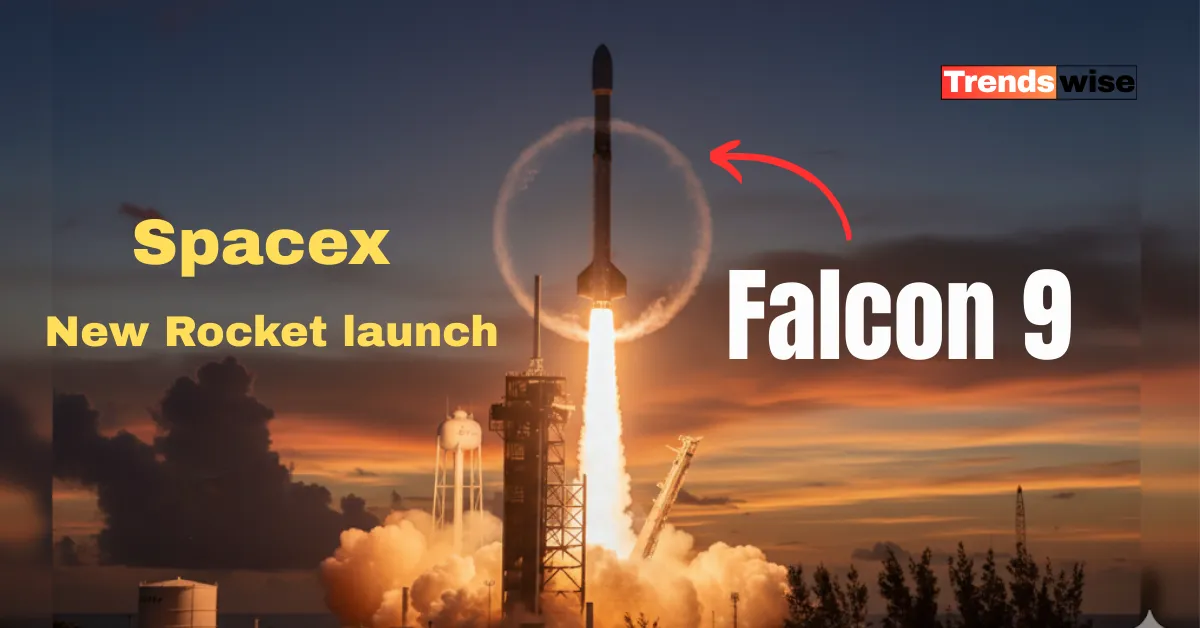
SpaceX delivered another memorable spectacle on September 28, 2025, when a Falcon 9 rocket launched 28 Starlink satellites into orbit from Vandenberg Space Force Base. The mission designated Starlink 11-20, lifted off at 7:04 p.m. Pacific Time, producing a dramatic twilight plume that was visible across much of California, Arizona, and Nevada.
SpaceX confirmed successful payload deployment just over an hour after liftoff, adding to its growing constellation of Starlink satellites in low Earth orbit (LEO).
Launch Overview
The Falcon 9 blasted off from Space Launch Complex 4 East (SLC-4E), tracking along a southeasterly path down California’s coast, a signature profile for polar-orbit Starlink missions. The 28 satellites on board represent another step toward improving Starlink’s global internet coverage and network capacity.
Booster Reuse Milestones
One of the highlights of the flight was the performance of booster B1063, which successfully flew for an incredible 28th time, a new record for SpaceX’s fleet. Roughly eight and a half minutes after launch, the first stage landed aboard the droneship Of Course I Still Love You stationed in the Pacific Ocean.
This marked:
- The 154th landing for the droneship
- SpaceX’s 513th booster recovery overall
- Another showcase of the company’s industry-leading rocket reuse program
Deployment and Launch Cadence
SpaceX later confirmed that all 28 satellites were deployed as planned, closing out what has been an extremely busy month for the company. This was SpaceX’s 16th orbital launch in September, tying its all-time monthly record set earlier this year in May.
For 2025 as a whole, SpaceX has now:
- Completed 124 Falcon 9 launches
- Conducted 88 Starlink missions year-to-date
This reflects the company’s continued drive to maintain a rapid and reliable launch cadence.
The “Twilight Phenomenon”
Many West Coast residents were treated to a brilliant sky show. The Falcon 9’s exhaust trail was illuminated by sunlight high in the atmosphere, creating a jellyfish-like glow against the evening sky, a rare but stunning effect known as the twilight phenomenon.
Social media was quickly flooded with photos and videos of the glowing plume, as observers in Arizona, southern Nevada, and much of California caught a glimpse of the spectacle.
Best Spots to Watch Future Launches
For those hoping to catch the next Falcon 9 liftoff, locations like Ventura Pier, Emma Wood State Beach, and other Central Coast viewpoints remain some of the best places to witness launches from Vandenberg. Local news outlets and space-tracking websites often post updated viewing tips and launch windows in the days leading up to a mission.
Why Starlink 11-20 Matters
Each new batch of satellites strengthens the Starlink broadband network, helping improve internet coverage in underserved regions and adding bandwidth capacity for peak usage times. Polar launches like this one also help expand connectivity at higher latitudes, an important step for serving remote communities and maritime routes.
What’s Next for SpaceX
With September’s launch schedule now complete, SpaceX is preparing for another busy month at Vandenberg. Additional Starlink flights and national security missions are already lined up for October, with exact dates to be confirmed in the coming weeks. Space enthusiasts can keep an eye on space calendars and local updates for the next opportunity to see a Falcon 9 light up the evening sky.