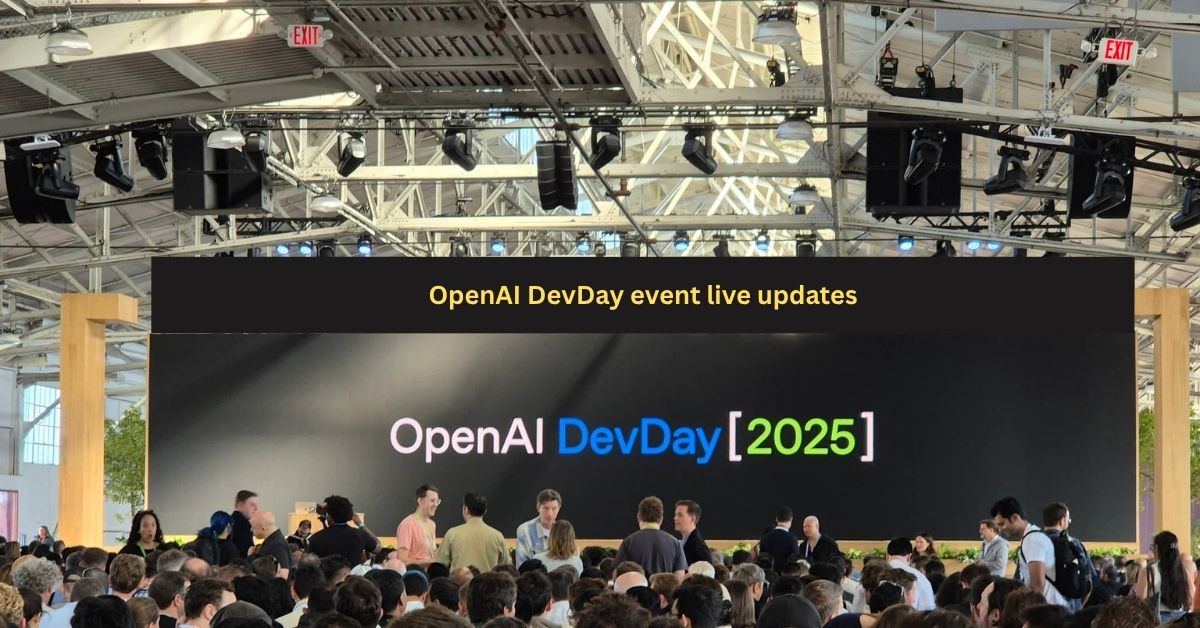
OpenAI’s annual DevDay event, held at Fort Mason in San Francisco, unveiled a major wave of innovations for developers and businesses. The highlights included a new apps platform that runs directly inside ChatGPT, the debut of AgentKit for building advanced AI agents, and a series of updates to models and APIs designed to simplify production-grade AI development.
This recap breaks down the key announcements, their availability, and what they mean for developers across the ecosystem.
Apps Now Run Inside ChatGPT
One of the biggest updates announced at DevDay is the introduction of ChatGPT Apps,interactive, mini-applications that live directly inside the ChatGPT interface. These apps allow users to experience maps, playlists, documents, and other interactive content natively within a chat, transforming ChatGPT from a text-only tool into a versatile application platform.
Developers can now build their own apps using the new Apps SDK, which is currently in preview. Built on the Model Context Protocol (MCP), the SDK lets creators design both the logic and the interface of their apps so they feel natural, conversational, and aware of user context.
Apps are available starting today for logged-in ChatGPT users outside the EU, across Free, Go, Plus, and Pro plans. Launch partners include Booking.com, Canva, Coursera, Expedia, Figma, Spotify, and Zillow, with more expected soon. Developers can begin experimenting now, with app submissions, a public directory, and monetization options planned for release later this year.
OpenAI emphasized that privacy and safety are core requirements for every app. Each one must feature transparent privacy policies, minimal data collection, and clear permissions. Granular data controls by app category are also on the roadmap. Upcoming phases will expand app access to Business, Enterprise, and Education tiers, as well as introduce the Agentic Commerce Protocol, allowing in-chat transactions and instant checkout experiences.
Introducing AgentKit: The Unified Toolkit for Building AI Agents
Another headline announcement was AgentKit, OpenAI’s new end-to-end toolkit that makes building, deploying, and optimizing AI agents easier than ever. Designed to reduce fragmentation, AgentKit combines orchestration, connectors, evaluations, and UI components into a single, integrated platform.
Key components include:
- Agent Builder: A visual, drag-and-drop interface for creating multi-agent workflows with built-in version control.
- Connector Registry: A central hub for managing tools, data sources, and permissions.
- ChatKit: Customizable, embeddable chat interfaces for agent-powered experiences.
AgentKit also enhances evaluation and optimization tools. It includes datasets for testing, trace grading, and automated prompt refinement, along with support for third-party models to benchmark agent performance.
The Reinforcement Fine-Tuning (RFT) feature is now generally available for o4-mini and in private beta for GPT-5, allowing developers to fine-tune agent reasoning using real feedback. Custom tool calls and graders further expand flexibility for advanced teams.
Availability: ChatKit and the new Evals system are now live. Agent Builder and Connector Registry are currently in beta, available to eligible API, ChatGPT Enterprise, and Education customers through a new Global Admin Console. All AgentKit components are covered under standard API pricing, with a standalone Workflows API and direct deployment options for ChatGPT coming soon.
https://openai.com/index/introducing-agentkit
Keynote Highlights by the Numbers
- 4 million developers have built with OpenAI so far.
- 800+ million weekly users engage with ChatGPT.
- 6 billion tokens per minute are processed across OpenAI’s API platform.
These figures underscore OpenAI’s global scale and the growing developer community contributing to its ecosystem.
Expanding Compute Power: The AMD Partnership
A major infrastructure announcement came alongside the product updates: OpenAI and AMD have entered into a strategic partnership to deploy 6 gigawatts of AMD GPUs. The collaboration aims to support next-generation AI workloads and expand OpenAI’s computational capabilities to meet increasing global demand.
This partnership signals OpenAI’s commitment to scaling its platform while ensuring developers and enterprises have the compute resources needed to build the next wave of intelligent applications.
Why These Updates Matter
The launch of ChatGPT Apps transforms the world’s most popular AI chat platform into a powerful distribution channel. With more than 800 million weekly users, developers and brands can now build immersive, context-aware experiences that live directly inside conversations, a new paradigm for engagement and discovery.
Meanwhile, AgentKit streamlines the development lifecycle for AI agents, bringing together everything from workflow design to governance and evaluation. By reducing setup complexity and risk, it allows teams to move from concept to production much faster, making enterprise-grade AI more accessible.
Availability and What’s Next
- ChatGPT Apps: Live today for logged-in users outside the EU; EU rollout, app submissions, and monetization options are expected later in 2025.
- AgentKit: Key tools (ChatKit and Evals) are generally available; Agent Builder and Connector Registry remain in beta. Additional APIs and deployment options are planned in the coming months.
At a Glance
OpenAI’s DevDay 2025 set the stage for a more connected, capable, and developer-friendly AI ecosystem. From in-chat applications to agent infrastructure and new model tools, the event showcased OpenAI’s vision for the next generation of AI-powered experiences, all built to help developers innovate faster and reach millions directly inside ChatGPT.