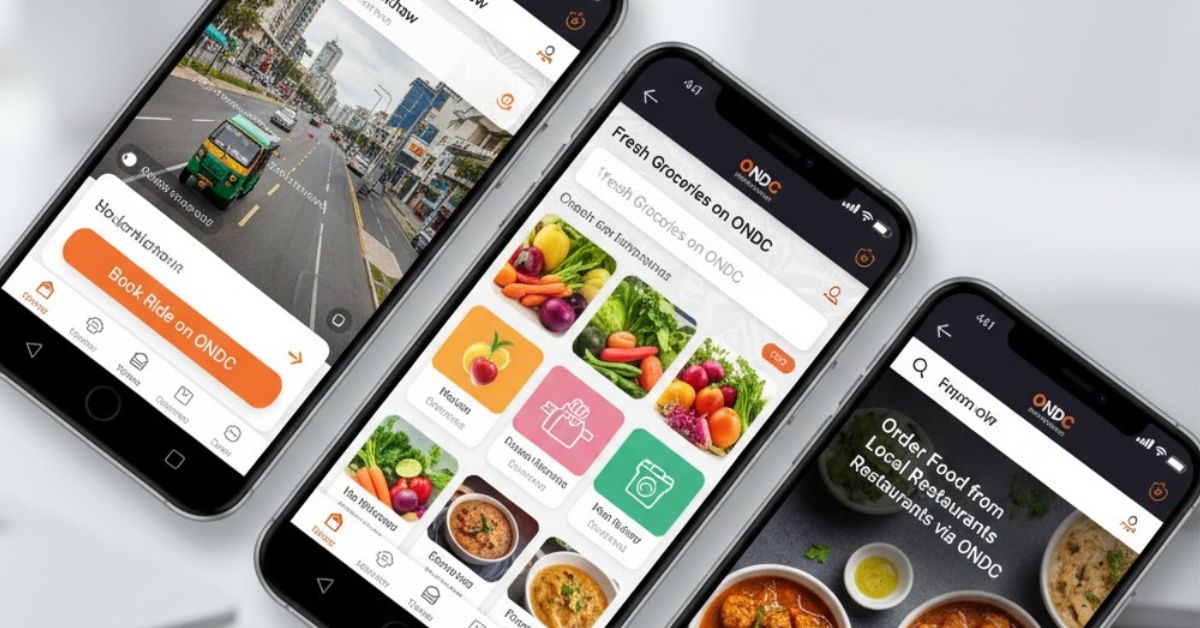
New Delhi, India – The Open Network for Digital Commerce (ONDC) has achieved a remarkable milestone, crossing 10 million monthly transactions for the first time in September 2025. This exponential growth showcases the network’s increasing acceptance among consumers and sellers, solidifying its position as a disruptive force in India’s e-commerce landscape. The surge is being driven by rapid expansion in key categories, particularly mobility, grocery, and food delivery.
ONDC, a government-backed initiative, is not an app but an open network that unbundles e-commerce. It allows sellers to list their products and services, which can then be discovered by buyers on any ONDC-compatible application. This interoperable model breaks down the walled gardens of large e-commerce platforms, promoting competition and providing greater choice for consumers.
The mobility sector has emerged as a killer use case for the network. In cities like Bengaluru and Kochi, customers are increasingly using apps like Namma Yatri (an ONDC-enabled ride-hailing app) to book auto-rickshaws, benefiting from lower fares and zero commission for drivers. This success has fueled a 300% year-on-year growth in mobility transactions on the network.
The grocery and food delivery categories are also witnessing explosive growth. Thousands of local kirana stores and small restaurants have been onboarded onto the network through various seller apps. This has enabled them to compete with large, established players and serve a wider customer base in their locality. The network’s hyperlocal focus is resonating with consumers who prefer to buy from familiar neighborhood stores.
With this milestone, ONDC is rapidly expanding its seller base, now boasting over 200,000 sellers across more than 500 cities. The network is continuously adding new categories, including fashion, home decor, and financial services. This impressive growth trajectory indicates that ONDC is successfully leveling the playing field in digital commerce, empowering small businesses and offering a more democratic alternative for the Indian consumer.