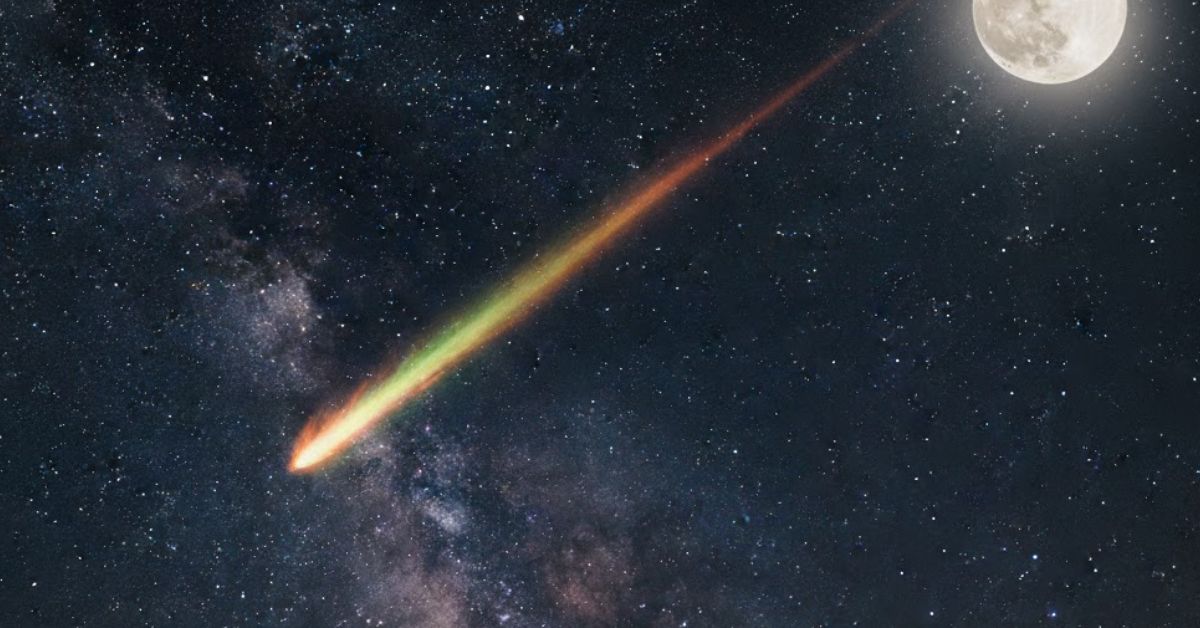
Stargazers are in for a celestial treat as the Draconid meteor shower reaches its peak activity tonight, October 8. While not the most prolific shower of the year, the Draconids are known for occasional outbursts and offer a wonderful opportunity to witness shooting stars seemingly radiating from the constellation Draco the Dragon.
What Are the Draconids?
The Draconid meteor shower occurs annually when Earth passes through the trail of dusty debris left behind by the comet 21P/Giacobini-Zinner. As these tiny particles, most no larger than a grain of sand, enter our planet’s atmosphere at high speeds, they burn up, creating the brilliant streaks of light we call meteors or shooting stars.
The shower’s radiant, the point in the sky from which the meteors appear to originate, is located in the head of the constellation Draco. A key feature of the Draconids is that they are best viewed in the early evening, just after nightfall, unlike most meteor showers which are best seen in the pre-dawn hours. Under ideal conditions, viewers in dark, rural locations can expect to see up to 10 meteors per hour during the peak. While the shower’s official peak is tonight, NASA notes that the activity window extends from October 6 to 10, providing additional viewing opportunities.
Viewing Tips and Challenges for 2025
This year, observers will face a challenge from a bright waning gibbous moon. The moonlight will likely wash out the fainter meteors, making them more difficult to spot. However, with patience, the brighter Draconids should still be visible.
To maximize your chances of seeing the show, here are some tips:
- Find the Perfect Dark Sky Spot: Escape the city lights and head to a quiet, open area. The farther you are from urban glow, the brighter and more magical the meteor shower will appear.
- Be Patient: Allow your eyes at least 20-30 minutes to fully adapt to the darkness.
- Look North: Find the constellation Draco in the northern sky. While meteors can appear anywhere, tracing their paths back to the radiant is part of the fun.
- Get Comfortable: Use a reclining chair or lie on a blanket. This will save you from neck strain and allow you to take in a wide view of the sky.
- No Special Equipment Needed: Meteor showers are best observed with the naked eye, as binoculars or telescopes will limit your field of view.
Despite the interfering moonlight, the Draconid meteor shower is a perfect excuse to step outside, look up, and connect with the cosmos.