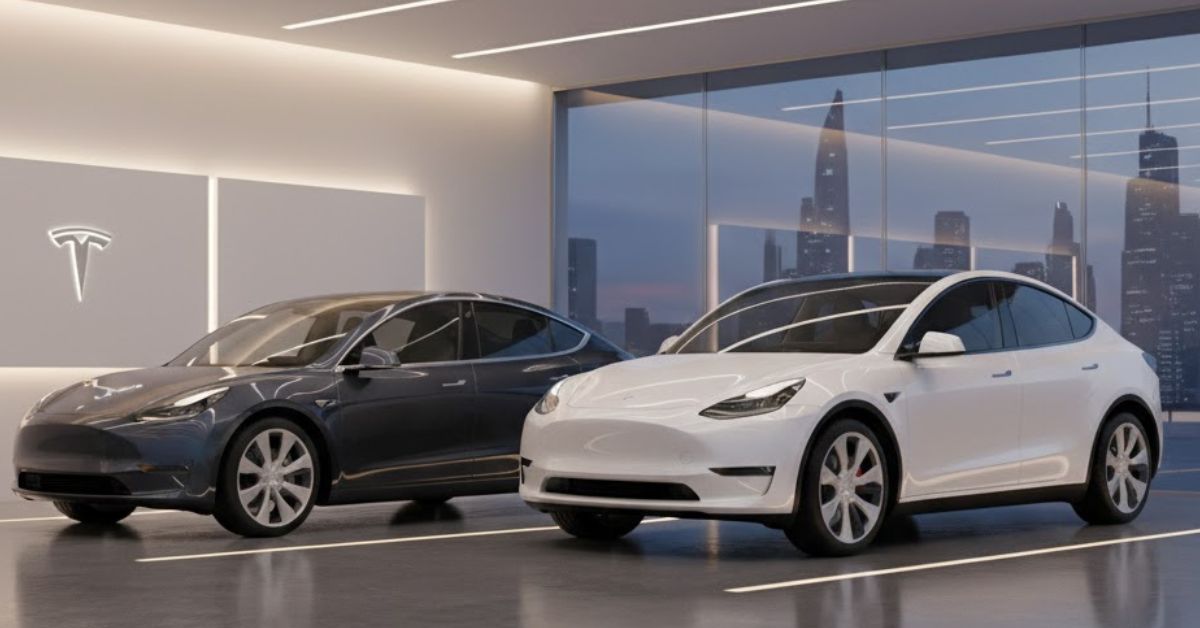
Tesla is making an aggressive move to recapture market momentum, introducing new, lower-priced versions of its best-selling Model Y and Model 3 vehicles. With starting prices now hovering around $39,990 for the Model Y and $36,990 for the Model 3 in the U.S., the electric vehicle pioneer is aiming to boost sales and fend off intensifying competition from both legacy automakers and new EV startups.
A Strategy to Revive Sales
The decision to launch these more affordable variants comes as Tesla faces a period of cooling demand and increased pressure on its market share. In recent quarters, the company has seen its sales growth slow, particularly as the global EV market becomes saturated with a plethora of choices. Competitors from China, Europe, and the United States have been launching compelling electric vehicles at various price points, eroding Tesla’s once-unchallenged dominance.
These new base models achieve their lower price tags by making strategic trade-offs. The primary change is a reduction in battery capacity, which results in a shorter range compared to their Long Range counterparts. Additionally, certain premium features, which were previously standard, may now be offered as optional add-ons. This “stripped-down” approach allows Tesla to hit a more accessible price point, potentially attracting a new segment of buyers who were previously priced out of the Tesla ecosystem. The move is a classic market strategy: broaden the customer base by offering a more basic, cost-effective entry point to the brand.
Mixed Reactions and Market Uncertainty
The market reaction to the announcement has been mixed. While some investors see it as a necessary and savvy move to stimulate volume and keep production lines running at full capacity, others express concern. Critics argue that introducing cheaper models could potentially dilute the brand’s premium image and may not be enough to solve the demand puzzle, especially in fiercely competitive markets like Europe.
There are also questions about how consumers will respond. Will buyers be willing to sacrifice range and features for a lower sticker price, or will they opt for similarly priced vehicles from other brands that may offer more comprehensive packages? The success of these new variants will be a crucial test of the Tesla brand’s enduring appeal and its ability to adapt in an increasingly crowded and cost-conscious electric vehicle landscape. All eyes will be on the company’s next quarterly sales report to see if this strategic pivot pays off.