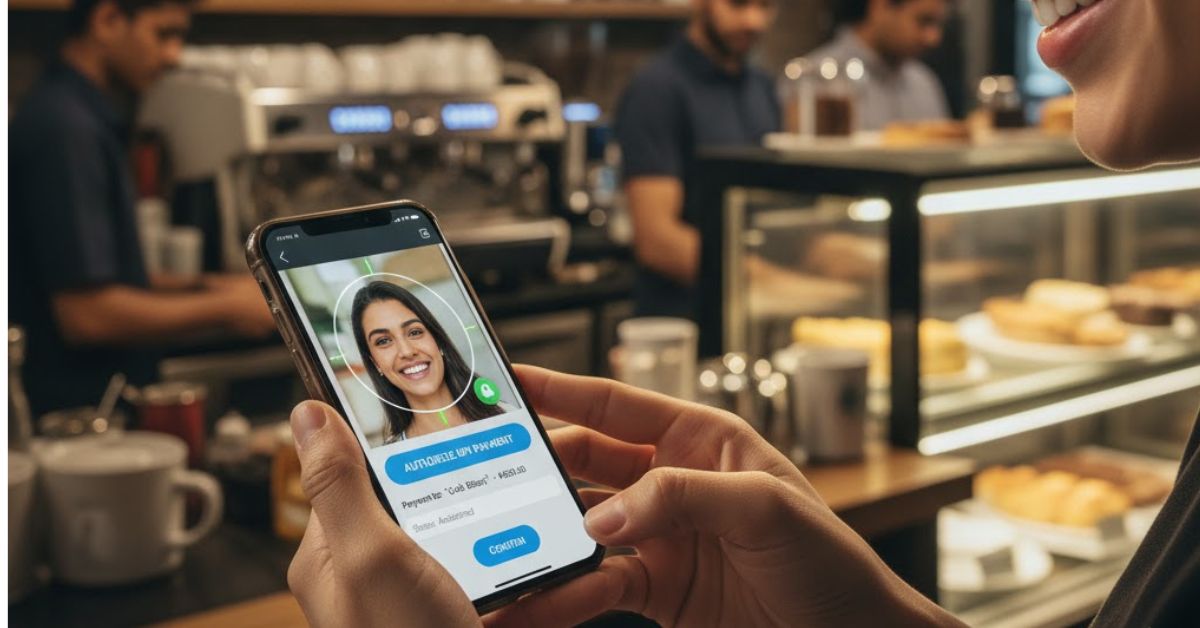
The era of entering a four or six-digit PIN for digital payments in India is beginning to fade. Starting today, October 8, the Unified Payments Interface (UPI) is officially rolling out PIN-free transactions enabled by biometric authentication. This landmark move allows millions of users to authorize payments simply by using their fingerprint or face, promising a faster, more seamless checkout experience.
The Technology Behind the Convenience
This next-generation payment system is being implemented by the National Payments Corporation of India (NPCI) and leverages the country’s vast Aadhaar database. When a user initiates a transaction, instead of being prompted for a PIN, they will be asked to verify their identity using their device’s built-in biometric sensors. This data is then securely matched against their Aadhaar-linked biometric information to authorize the payment in real-time.
The primary goal is to drastically reduce transaction times and eliminate the friction of remembering and entering a PIN, especially for small-value, frequent purchases. For merchants, this could mean faster-moving queues and reduced cart abandonment at online checkouts. For consumers, it offers a level of convenience previously unseen in the digital payments landscape. Major payment apps like PhonePe, Google Pay, and Paytm are expected to integrate this feature progressively, making it a new standard for the world’s most advanced real-time payment system.
Balancing Speed with Security and Privacy
While the promise of quicker payments is compelling, the shift to biometrics has ignited a conversation around security and privacy. The NPCI has assured that the system uses advanced encryption and tokenization, ensuring that raw biometric data is never stored on the merchant’s or the payment app’s servers during a transaction. However, the reliance on the centralized Aadhaar database raises valid concerns for privacy advocates, who point to the potential risks of data breaches and misuse.
Experts suggest that while biometric authentication is generally more secure against common threats like shoulder-surfing, it is not infallible. The robustness of the system will depend heavily on the anti-spoofing capabilities of smartphone sensors, their ability to distinguish a real fingerprint or face from a sophisticated fake. As users begin to adopt this PIN-free future, the industry will be closely watching the implementation to ensure that the quest for convenience does not compromise the foundational security that has made UPI a global success story.