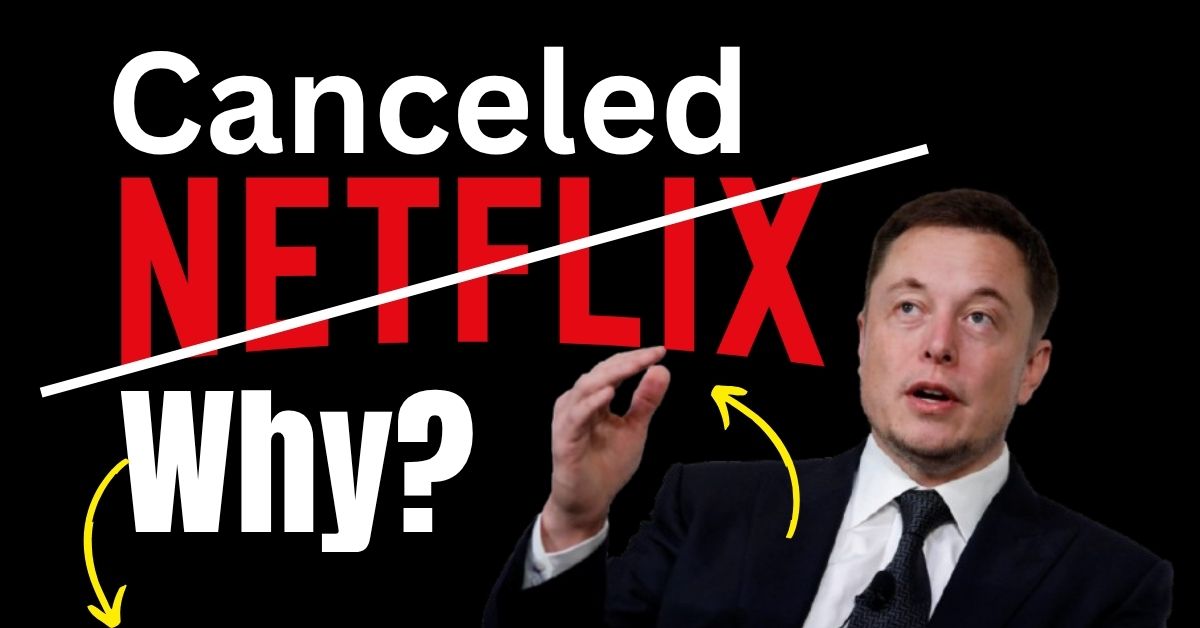
Elon Musk has ignited a fresh wave of controversy, urging millions of his followers to drop Netflix in protest of what he describes as harmful content for children. His repeated posts amplified criticism of Dead End: Paranormal Park, an animated series with a transgender lead, and resurfaced allegations about the show’s creator, Hamish Steele. Within days, the hashtag #CancelNetflix was trending worldwide, sparking political debate, cultural backlash, and a dip in Netflix’s stock price.
The Flashpoint
The uproar centers on Dead End: Paranormal Park, a 2022–2023 Netflix animated series featuring a transgender teenager as the main character. The show, which blends coming-of-age themes with supernatural comedy, was already controversial among conservative commentators, but tensions escalated when resurfaced posts allegedly linked Steele to inflammatory comments after Conservative activist Charlie Kirk lost his life after being shot during an event in Utah.
Although Steele has denied celebrating Kirk’s death, the allegations fueled outrage online, where critics accused Netflix of promoting inappropriate messaging for kids. Musk quickly seized on the controversy, making it a centerpiece of his broader critique of the streaming platform’s “woke agenda.”
Musk’s Role in Amplifying the Boycott
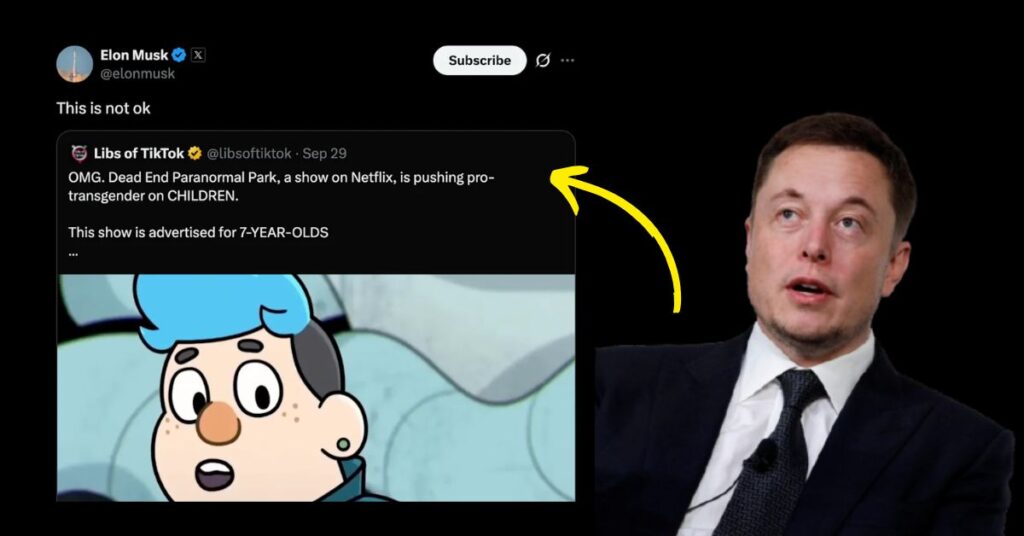
Between late September and early October, Musk posted more than two dozen times calling on parents to cancel their subscriptions. His most direct message read: “Cancel Netflix for the health of your kids.” He also echoed replies labeling Steele a “groomer” and claimed Netflix was intentionally pushing a “transgender woke agenda” through its kids’ catalog.
With an audience of over 220 million on X, Musk’s posts transformed a niche culture-war debate into a global boycott movement. Screenshots of cancellations flooded social feeds, while conservative influencers further boosted the call to action.
Who Is Hamish Steele?
Hamish Steele, a London-based writer and illustrator, created Dead End: Paranormal Park. After Musk’s posts went viral, Steele reported a surge in antisemitic and homophobic harassment, prompting him to step back from social media for safety reasons. Notably, Netflix had already canceled the series in 2023, though episodes remain available on the platform, making clips easy to recirculate in boycott campaigns.
Market Impact
The backlash extended beyond social media. Financial outlets reported a short-term slide in Netflix’s stock, erasing an estimated $15–17 billion in market value over several sessions. While analysts caution that social-driven sell-offs don’t necessarily reflect long-term subscriber churn, the episode highlights how cultural flashpoints can ripple into Wall Street sentiment.
Netflix’s Silence
So far, Netflix has not issued a direct statement about Musk’s boycott calls or the renewed spotlight on Dead End. The company has previously framed its library strategy around serving “diverse audiences with diverse tastes,” but the absence of a specific response has allowed Musk’s messaging to dominate the narrative.
Why It Resonates
This flare-up taps into recurring cultural battles over LGBTQ+ representation in youth programming. Each time a high-profile figure amplifies criticism, isolated shows or creators can become symbols in larger debates about media influence, parental control, and corporate values. Musk’s involvement guaranteed global reach, ensuring this round of backlash went far beyond its original online niche.


