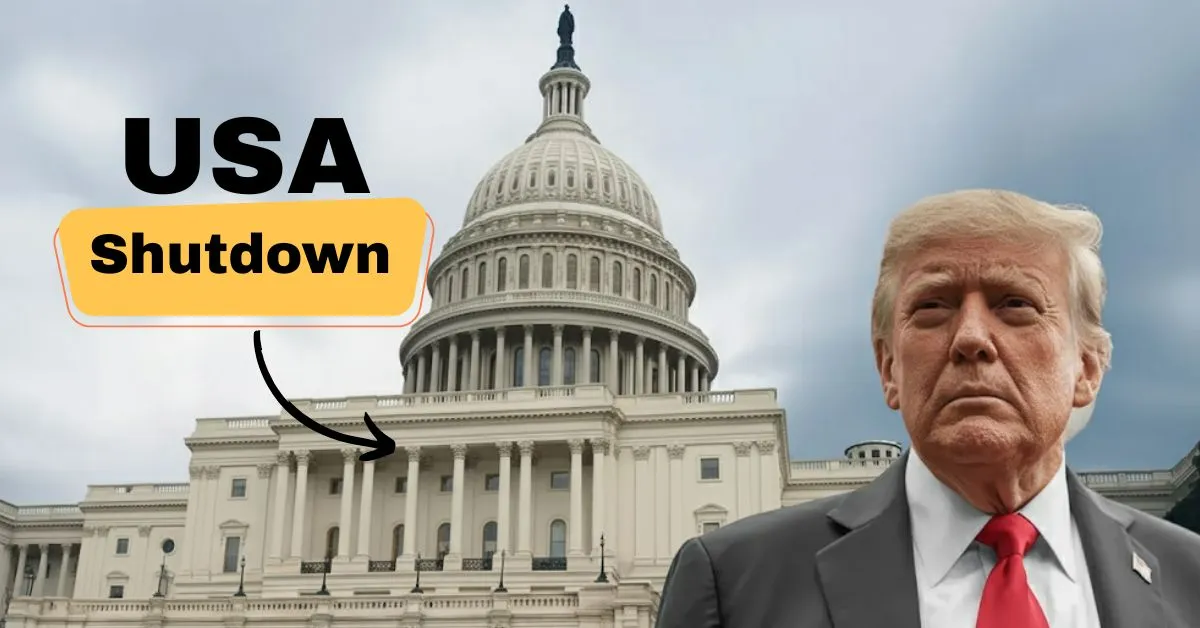
The federal government officially shut down at 12:01 a.m. EDT on October 1, 2025, after last-minute Senate efforts to pass a funding bill failed. While shutdowns are not new in US history, the last occurred in 2018–2019, this episode carries unique risks, particularly for everyday Americans, investors, and federal workers.
What Makes This Shutdown Stand Out
Unlike previous funding gaps, this shutdown comes with public threats of mass federal layoffs, a significant deviation from the typical furlough-and-back-pay approach. The American Federation of Government Employees (AFGE) has already filed a lawsuit against these threats, setting the stage for legal and labor uncertainties that could shape the economy in unexpected ways.
This labor tension adds real-world economic risk even if financial markets initially remain calm, marking a clear departure from the “business-as-usual” response seen in prior shutdowns.
The Risk of a Data Blackout
A key concern this time is the interruption of critical federal data releases, including employment and inflation reports that guide business decisions, investor strategies, and Federal Reserve policy.
- The Bureau of Labor Statistics (BLS) is expected to delay the September jobs report.
- If the shutdown lasts beyond roughly 12 days, data collection for the October report could also be affected.
Given signs of stress in the labor market in 2025, missing or delayed data could mislead policymakers and investors, increasing the chances of missteps in economic decisions.
Main Street vs. Wall Street
Historically, stock markets have weathered shutdowns with minimal long-term impact. But this time, the backdrop is riskier:
- Household stock ownership is near record levels.
- Delayed federal data increases uncertainty about economic conditions.
This combination makes markets more sensitive to sudden surprises, potentially triggering short-term volatility even if fundamentals remain unchanged.
Implications for Retirement Savers
For 401(k) and retirement investors, shutdowns often resemble a short-term storm, disruptive but usually followed by normalization. However, missing jobs and inflation reports can shake market expectations, affecting the daily valuation of retirement portfolios.
With equity markets near all-time highs, investors may see heightened swings in their accounts, even if long-term growth remains largely unaffected.
Impact on Federal Workers and Services
Over two million federal employees are affected. While essential staff continue working, many others are furloughed, often without pay until funding resumes.
The pause in federal services extends beyond paychecks: contractors and local communities tied to government operations also experience disruptions. If layoffs or legal battles drag on, this could have longer-lasting effects on local economies.
Political Dynamics
The shutdown was triggered by failed Senate votes on competing short-term funding proposals, reflecting sharp partisan divides. Political maneuvering will heavily influence:
- Duration of the shutdown
- Speed of data and pay restoration
- Confidence among businesses and households
The longer the standoff continues, the greater the risk of service delays, statistical gaps, and economic uncertainty.
Key Factors to Monitor
- Duration – A shutdown exceeding ~12 days threatens October jobs data, creating broader market uncertainty.
- Labor actions – Court rulings on layoffs will influence worker security and local spending patterns.
- Market sensitivity – High household equity exposure may amplify market reactions once delayed data is released.